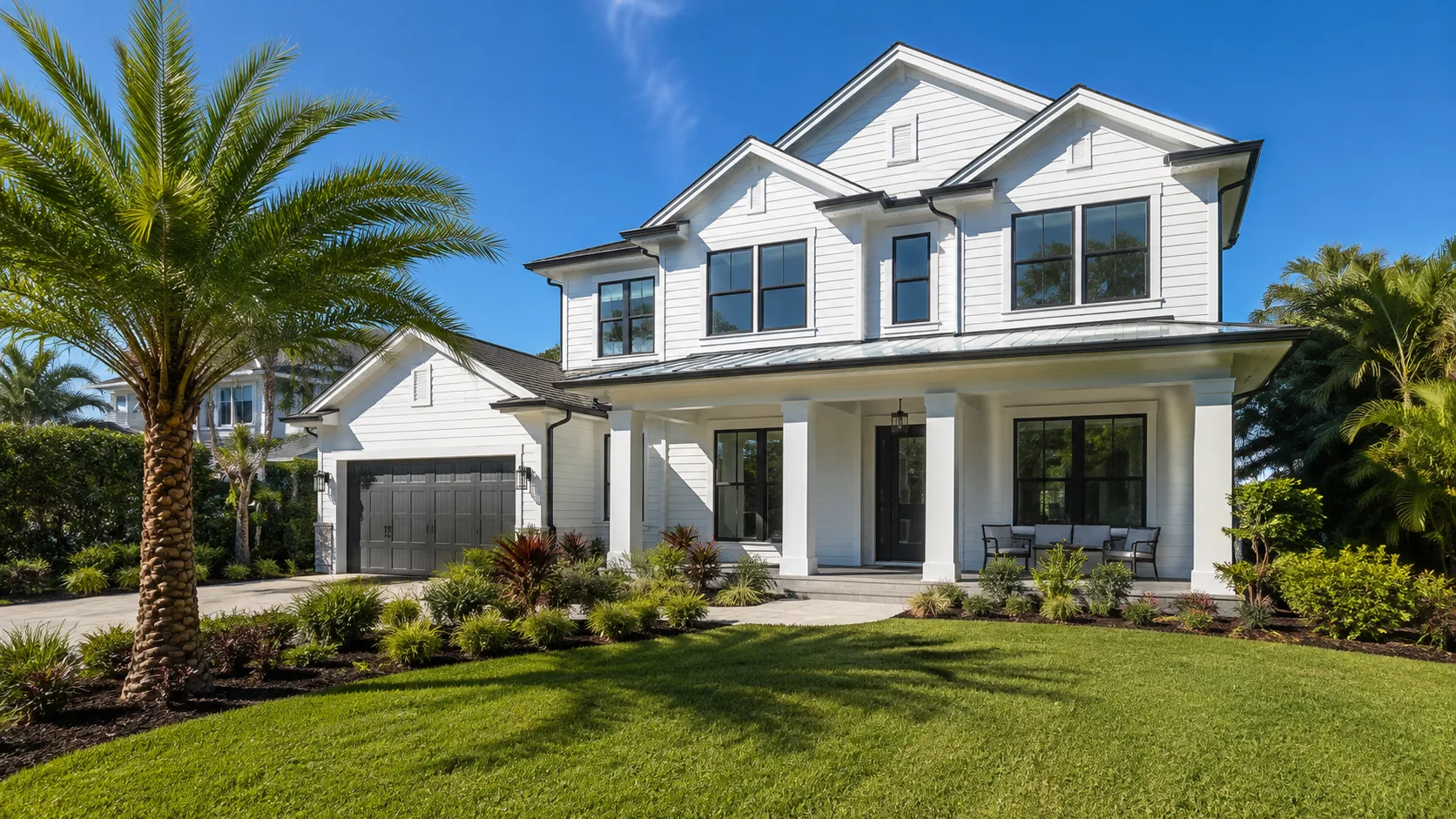
Florida's building codes exist for one reason: hurricanes. After Hurricane Andrew, the state adopted some of the toughest residential construction standards in the nation. For Tampa Bay homeowners, that means your plans have to account for serious wind and water before a permit is ever issued. Here's what matters most.
Wind load: the big one
The Florida Building Code (FBC) requires every home to be designed for specific wind speeds based on its location. Coastal and near-coastal areas of the Tampa Bay region carry higher design wind speeds, which affects:
- Roof framing and connections (hurricane straps and clips)
- Window and door ratings (impact-rated or protected openings)
- Wall bracing and structural load paths
- Garage door reinforcement
Plans that don't reflect the correct wind zone get rejected at permitting — so this isn't optional detail, it's the foundation of a buildable set.
Flood zones and elevation
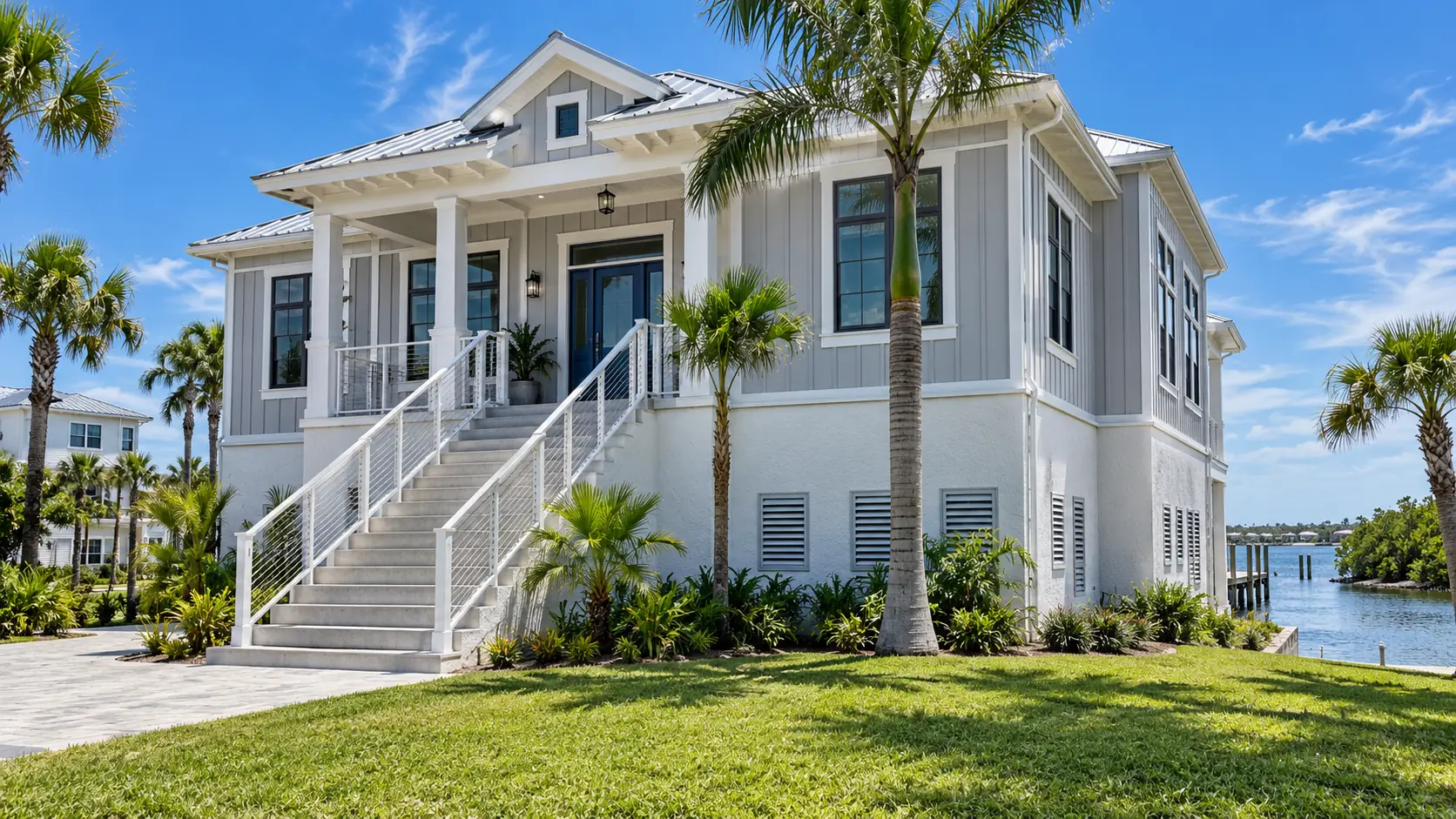
Much of Tampa Bay sits in or near a FEMA flood zone. Depending on yours, your design may need a minimum finished-floor elevation, flood vents, or specific foundation types. Getting this right protects your home and keeps your flood insurance affordable.
Setbacks, lot coverage, and zoning
Every municipality — Tampa, St. Petersburg, Clearwater, and the rest — has its own zoning rules for how close you can build to property lines, how much of the lot you can cover, and maximum building height. A good designer checks these before drawing, not after.
The permitting process
Permit-ready plans are designed to clear review the first time. Our documents are built to meet FBC requirements and local amendments, and we coordinate stamped engineering where it's needed. While we don't submit permits on your behalf, we prepare everything required for a smooth approval and can guide you through the process.
Code compliance isn't red tape — it's the difference between a home that survives a Category 3 and one that doesn't.
Why local experience matters
Building codes are statewide, but the local amendments, flood maps, and review quirks are not. With residential design experience across the Tampa Bay Area since 1986, we know what each county's reviewers look for. That local knowledge keeps your project moving.
Planning a build or remodel? Learn about our code-compliant drafting and blueprints, or request a free consultation.