
Outgrowing your home but love your neighborhood? A well-designed addition can give you the space you need without the cost and upheaval of moving. But additions are deceptively complex — here's how to do one right in Florida.
Start with an as-built
Before anyone can design new space, we document your existing home exactly as it stands today — an as-built. This becomes the foundation for an addition that ties into your current structure cleanly, instead of fighting it.
Design that blends in
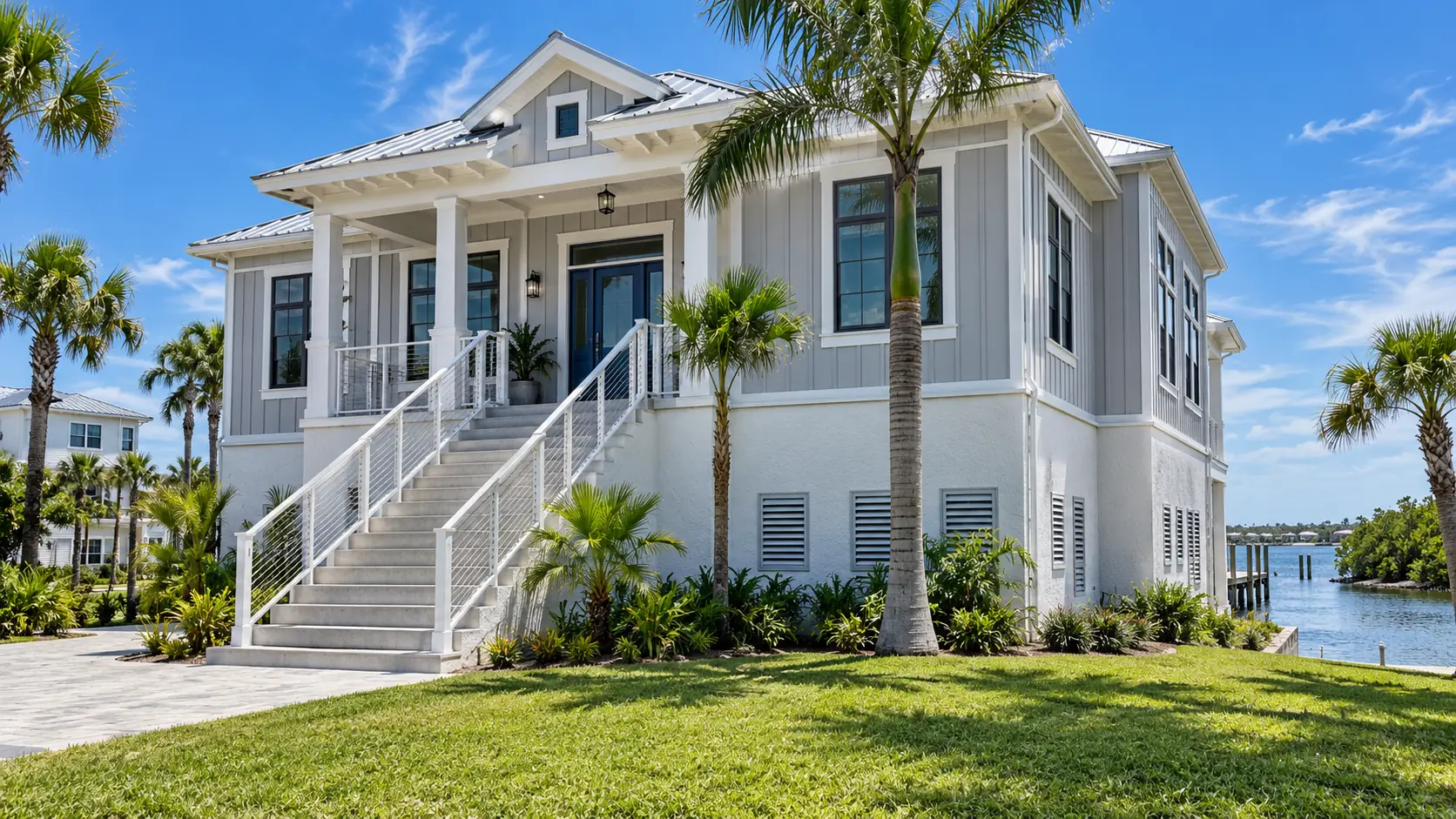
The best additions look like they were always there. That means matching rooflines, ceiling heights, window proportions, and exterior finishes. A thoughtful design avoids the tacked-on look that hurts both daily living and resale value.
Structural and code considerations
- Load paths. New space changes how loads travel to the foundation — this is where engineering coordination matters.
- Wind load. Additions must meet the same Florida wind-load standards as new construction.
- Setbacks and lot coverage. Your addition has to fit within zoning limits for your property.
- Tie-ins. Roofing, electrical, and HVAC all need to connect to existing systems.
Popular addition types in Tampa Bay
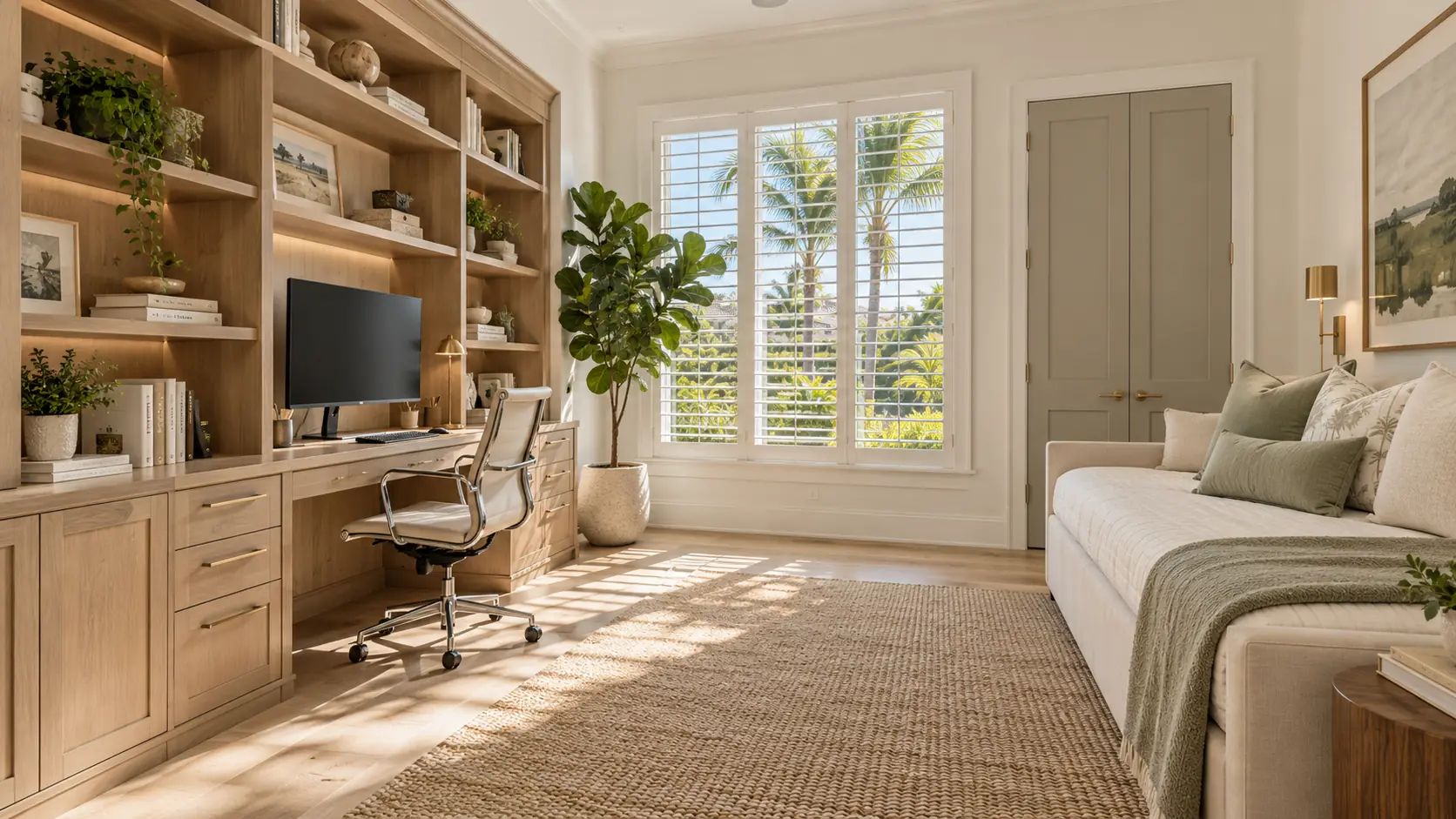
- Primary suite additions
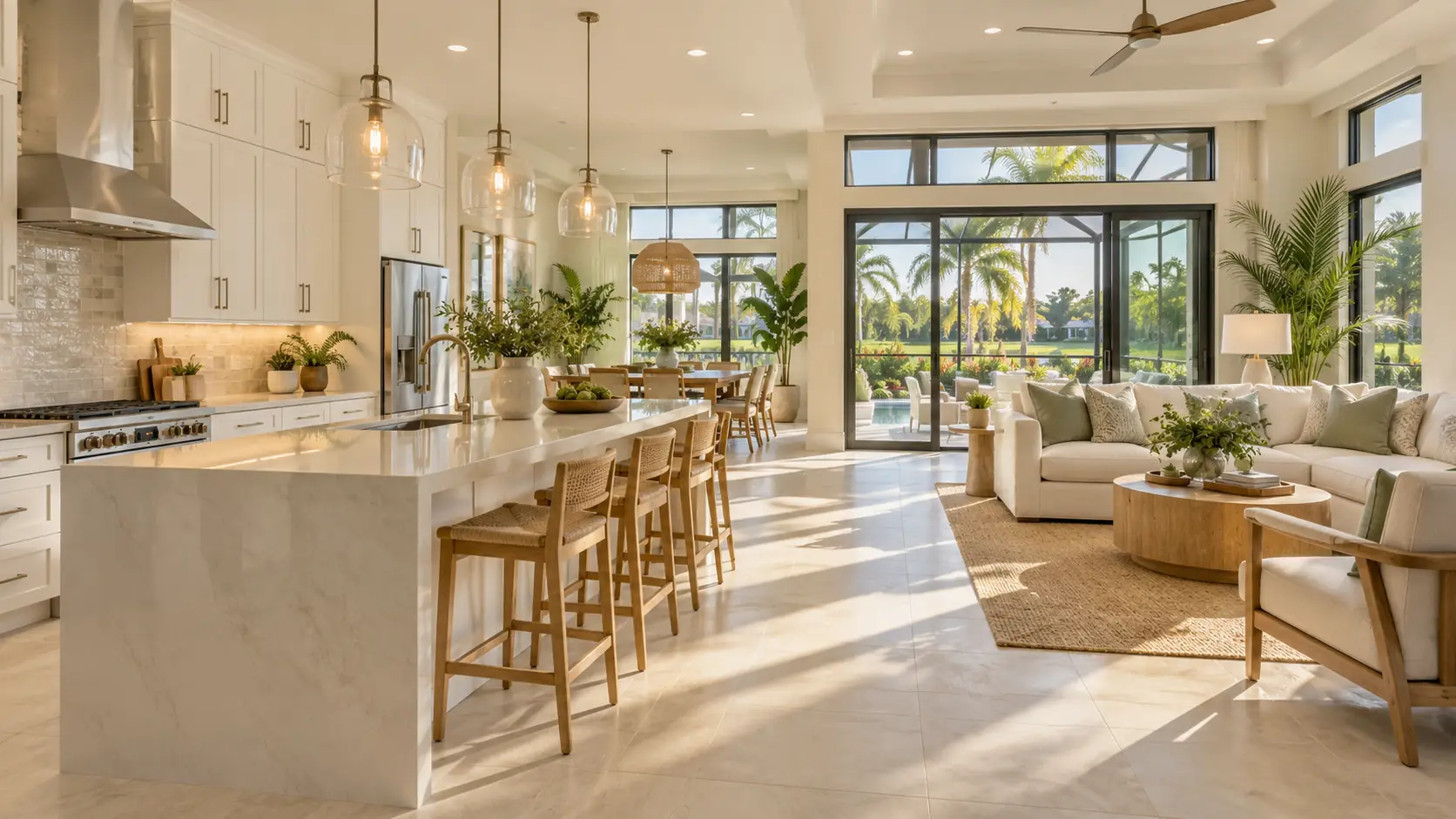
- Expanded or added kitchens and great rooms
- In-law suites and accessory structures
- Second-story additions
- Lanai and indoor-outdoor living expansions
A room addition is really a small new building attached to an old one. The design has to honor both.
The path from idea to permit
We measure and document your home, design the addition around your needs and your lot, coordinate stamped engineering, and deliver permit-ready plans. From there you're set to get bids and build with confidence.
Ready to add space? Learn about our remodel and addition design service, or schedule a free consultation to walk through your project.